
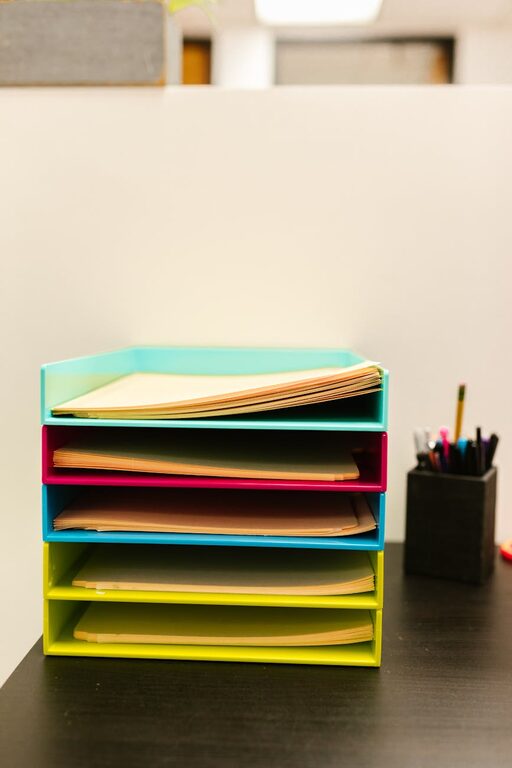
Keeping your home organized can feel challenging, especially when paper piles seem to take over every surface. Bills, receipts, important documents, junk mail, and kids’ artwork can quickly create clutter that impacts your daily life. Luckily, reducing household paper clutter doesn’t have to be overwhelming. With simple habits and smart strategies, you can take control of your paper environment and enjoy a cleaner, more peaceful home.
In this post, we’ll explore practical and easy-to-follow ways to reduce paper clutter and keep it that way.
Why Reducing Paper Clutter Matters
Before diving into the how-to, it helps to understand the benefits of cutting down on paper clutter:
– Less Stress: Visual clutter can lead to cognitive overload and stress. A tidy space promotes calm and focus.
– More Space: Clearing paper piles frees up valuable surfaces and storage space.
– Better Organization: Important documents are easier to find when they’re sorted and stored efficiently.
– Positive Habits: Developing clutter-reducing routines encourages ongoing tidiness.
Now let’s look at actionable steps you can take.
1. Start with a Paper Purge
The first step toward reducing paper clutter is to clear out what you no longer need.
Steps for a Successful Purge
– Gather all paper from around your home in one spot.
– Sort into categories: bills, documents, junk mail, kids’ artwork, receipts, etc.
– Discard what’s not necessary: shred sensitive documents, recycle magazines and flyers, throw away duplicates and outdated notices.
– Keep only what’s needed for records, taxes, or sentimental reasons.
This initial purge provides a fresh start and helps you see how much paper accumulates.
2. Go Digital When Possible
One of the best ways to reduce paper clutter is by switching to digital formats.
How to Go Paperless
– Opt for e-billing: Many service providers, banks, and utilities offer paperless billing options. Sign up to receive statements via email.
– Use digital note-taking apps: Replace paper notebooks with apps on your phone or tablet.
– Scan important documents: Digitize birth certificates, warranties, and tax forms. Backup these files securely on the cloud or an external drive.
– Request digital receipts: When shopping, ask if you can get an emailed receipt instead of a printed one.
Going digital not only reduces paper but can improve your organization and access to important information.
3. Create a Dedicated Paper Management Station
Having a specific area to handle incoming and outgoing paper helps prevent piles from spreading.
Setting Up Your Station
– Choose a spot: A desk, countertop, or wall space near your main entrance or kitchen works well.
– Organizers: Use trays, baskets, or wall-mounted file holders categorized for mail, bills to pay, forms to complete, and items to file.
– Supplies: Keep a shredder, recycling bin, pens, stamps, and filing folders handy.
Consistently sorting mail and paperwork upon arrival reduces buildup and ensures timely action.
4. Establish Simple Systems for Important Paperwork
Organizing important documents efficiently makes them easier to access and reduces clutter.
Tips for Paper Organization
– Use accordion folders or binders: Label sections by category, such as Taxes, Medical, Home, and Insurance.
– Create a filing cabinet or box: Designate a secure, easy-to-reach place for important paper files.
– Limit document retention: Check guidelines for how long to keep things like bank statements or receipts and discard when appropriate.
– Review files regularly: Schedule seasonal decluttering to weed out unnecessary papers.
Keeping systems simple and consistent is key.
5. Manage Kids’ Paperwork Creatively
Children tend to bring home lots of artwork and school papers that can quickly clutter your home.
Ideas to Reduce Kids’ Paper Clutter
– Designate display zones: Use a bulletin board or fridge magnets to showcase favorite pieces.
– Rotate displays: Swap out artwork regularly to keep clutter down.
– Digitize artwork: Take photos or scans before recycling.
– Create a memory book: Compile scanned images or select originals in a keepsake binder.
This approach honors your child’s creativity without overwhelming your space with paper.
6. Be Mindful About Incoming Paper
Prevention is the best way to reduce clutter.
Tips to Stay Ahead
– Unsubscribe from junk mail: Use online services or contact senders directly to reduce unsolicited catalogs and flyers.
– Opt out of paper statements: Choose digital options when signing up for new services.
– Review subscriptions: Periodically cancel magazines or newsletters you no longer read.
– Handle incoming mail immediately: Set a daily habit to sort mail when you get it.
Being proactive keeps paper piles from forming in the first place.
7. Maintain Your Progress with Regular Habits
Reducing paper clutter is an ongoing process, but simple daily habits help maintain a clutter-free home.
Daily and Weekly Practices
– Sort mail and paperwork right away.
– File or shred paper after use.
– Review your paper management station weekly.
– Digitally backup important new documents.
These small actions prevent paper from piling back up and make organization manageable.
—
Reducing household paper clutter may take some time initially, but with these simple strategies, you can tame the piles and enjoy a more organized space. Start small, keep it consistent, and you’ll notice the difference in your home’s comfort and calm.
Happy organizing!