
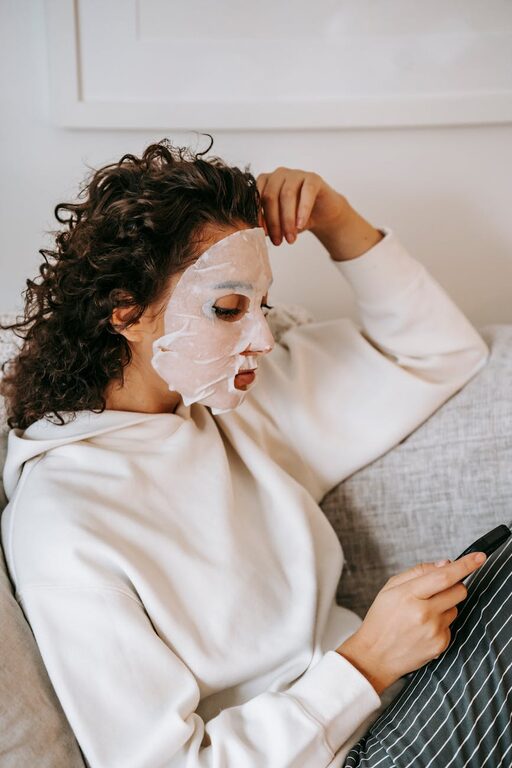
Taking time for yourself is essential for well-being, but self-care doesn’t have to be expensive or complicated. You can create a relaxing, rejuvenating experience right at home with simple, low-cost ideas. In this post, we explore a variety of easy self-care practices that fit any budget and can help you relieve stress, improve your mood, and feel more balanced.
Why Self-Care Matters
Before diving into specific ideas, it’s helpful to understand why self-care is important. Self-care involves activities that help maintain your physical, emotional, and mental health. Regular self-care can reduce stress, prevent burnout, improve sleep, and enhance overall happiness. It’s not about indulgence alone, but about nurturing yourself in realistic, sustainable ways.
—
1. Create a Relaxing Bath Routine
Why a bath?
A warm bath can soothe sore muscles, calm your mind, and create a peaceful moment in your day. Baths are an excellent low-cost way to unwind without leaving home.
How to enhance your bath experience:
– Add Epsom salts or baking soda: Epsom salts may help relax muscles, and baking soda can soften water.
– Use essential oils or scented candles: Scents like lavender or eucalyptus promote relaxation.
– Play calming music or nature sounds: Soft sounds can deepen relaxation.
Tip: Even 15–20 minutes soaking can help you feel refreshed.
—
2. Practice Mindful Breathing or Meditation
You don’t need a special app or course to practice mindfulness. Mindful breathing can be done anywhere, anytime.
Simple mindful breathing exercise:
– Find a quiet spot and sit comfortably.
– Close your eyes and focus on your breath.
– Breathe in slowly through your nose for 4 seconds.
– Hold your breath for 4 seconds.
– Exhale slowly through your mouth for 6 seconds.
– Repeat for 5–10 minutes.
This gentle practice can reduce anxiety and improve focus.
—
3. Journaling for Self-Reflection
Writing down your thoughts and feelings is a powerful way to process emotions and decompress.
How to get started:
– Use any notebook or blank paper.
– Set aside 5–10 minutes a day to write freely.
– Try prompts like: “What made me smile today?” or “What am I grateful for?”
– Don’t worry about spelling or style—focus on expressing yourself honestly.
Journaling can boost self-awareness and bring clarity.
—
4. Enjoy a DIY Spa Day
Bring the spa to your home with simple ingredients and tools you may already have.
Easy spa ideas include:
– Face masks: Mix honey and yogurt for moisturizing or mashed avocado with oat flour to soothe skin.
– Foot soak: Warm water with Epsom salts and a few drops of essential oil.
– Exfoliation: Use a mixture of sugar and olive oil as a gentle body scrub.
– Moisturizing: Follow with a lotion or natural oil like coconut or almond oil.
These pampering activities promote relaxation and skin health.
—
5. Get Moving with Gentle Exercises
Physical activity releases endorphins that improve mood and energy.
Low-cost, gentle ways to move include:
– Stretching routines (many free videos online).
– Yoga or tai chi (plenty of beginner videos and guides).
– Walking around your home or garden.
Choose what feels good and avoid pushing yourself too hard.
—
6. Cook a Nourishing Meal or Snack
Preparing a healthy meal can be an act of self-care and creativity.
Tips:
– Use simple, whole ingredients like vegetables, grains, and beans.
– Try new recipes that are easy and budget-friendly.
– Make comfort food with a healthy twist, such as homemade vegetable soup or oatmeal.
Cooking can be calming and give you a sense of accomplishment.
—
7. Declutter and Organize Your Space
A tidy environment often helps reduce stress and promotes calmness.
How to approach it:
– Pick one small area, such as a desk or a drawer.
– Spend 10–15 minutes sorting items and deciding what to keep, donate, or discard.
– Organize remaining items neatly.
This process can refresh your space and mind.
—
8. Connect with Nature at Home
Even small interactions with nature can boost mood.
Ideas to engage with nature:
– Grow a few potted plants or herbs on a windowsill.
– Sit outside if you have a garden or balcony.
– Listen to bird songs or watch the clouds.
Nature has calming effects that help reduce stress.
—
9. Limit Screen Time and Unplug
Digital overload often fuels stress and distraction.
Try:
– Setting specific times to check emails or social media.
– Turning off screens 30 minutes before bed.
– Reading a physical book or magazine.
Taking breaks from technology supports restful sleep and mental clarity.
—
Final Thoughts
Self-care is about simple, meaningful actions that help you feel your best. These low-cost ideas prove you don’t need fancy products or expensive retreats to care for yourself. By making small changes at home—whether through relaxation, movement, creativity, or organization—you can nurture your well-being every day.
Give a few of these ideas a try and see which ones bring you the most joy and calm. Your mind and body will thank you!