
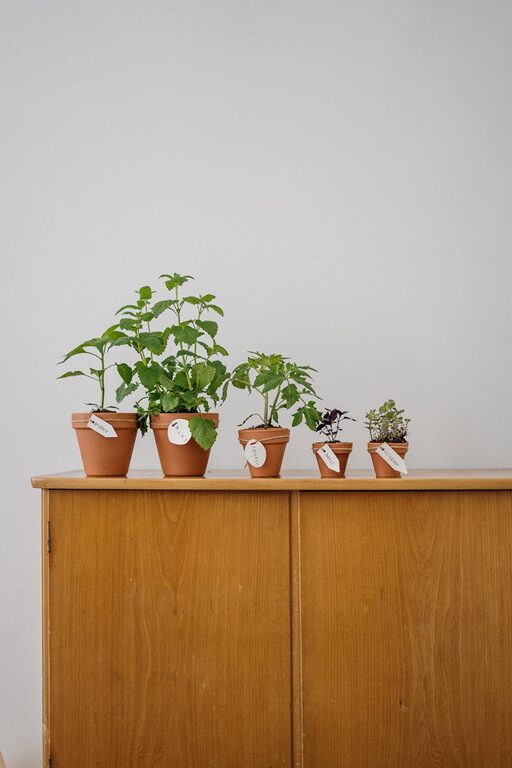
Starting a small herb garden indoors is a rewarding and practical way to bring fresh flavors to your cooking and add greenery to your living space. Whether you have limited outdoor space or want fresh herbs year-round, indoor herb gardening is easy and fun. This guide will walk you through the basics of creating your own indoor herb garden, from selecting herbs to caring for them properly.
Why Grow Herbs Indoors?
Growing herbs indoors has several benefits:
– Convenience: Fresh herbs are always within reach, no need to rush to the store.
– Cost-effective: Buying herbs in small quantities often costs more than growing your own.
– Year-round growth: Indoor conditions let you grow herbs any season, even in winter.
– Improved air quality: Many herbs can help purify the air in your home.
Choosing the Right Herbs for Indoor Gardening
Some herbs thrive better indoors because they adapt well to container growing and indoor light conditions. Ideal beginner-friendly herbs include:
– Basil: Great for cooking and thrives in warm, sunny spots.
– Parsley: Easy to grow with moderate light and moisture.
– Mint: Hardy and fast-growing, but keep it in a separate pot to prevent spreading.
– Chives: Compact and low-maintenance with mild onion flavor.
– Thyme: Thrives in bright light with less watering.
– Oregano: Prefers full sun and well-drained soil.
Choose herbs that you use regularly in your cooking, so you’ll be motivated to care for them.
Selecting Containers and Soil
Containers
Herbs grow well in pots that provide good drainage. Consider the following:
– Material: Terra cotta, ceramic, or plastic pots all work, but terra cotta is porous and helps prevent overwatering.
– Size: Choose a pot that is about 6-8 inches deep for most herbs.
– Drainage: Ensure your pots have holes at the bottom to avoid waterlogging.
You can also use creative containers like reused jars, small wooden boxes, or hanging pots depending on your space.
Soil
Use a high-quality potting mix designed for indoor plants. Look for a blend that drains well but retains enough moisture for herbs. Avoid garden soil as it may contain pests or be too dense for container growing.
Providing the Right Light
Light is crucial for healthy herb growth. Most herbs need at least 6 hours of sunlight a day.
– Sunny windowsills: South-facing windows are best for most herbs.
– Artificial lighting: If natural light is limited, use a grow light with full-spectrum bulbs placed 6-12 inches above the plants for 12-16 hours daily.
Rotate your plants every few days to ensure even growth.
Planting Your Herb Garden
You can start herbs indoors by:
– Seeds: More affordable but slower to grow; follow seed packet instructions for planting depth and spacing.
– Starter plants: Available at nurseries, they give you a head start and are easier for beginners.
Fill your pots with soil, plant your seeds or seedlings, and water gently to settle the soil.
Caring for Your Indoor Herb Garden
Watering
– Water when the top 1 inch of soil feels dry.
– Avoid overwatering as soggy soil can cause root rot.
– Use a container with drainage to prevent standing water.
Feeding
– Fertilize herbs every 4-6 weeks with a balanced, water-soluble fertilizer diluted to half strength.
– Over-fertilizing can reduce flavor intensity, so less is more.
Pruning and Harvesting
– Regularly pinch off the top leaves to encourage bushier growth.
– Harvest herbs by cutting stems just above a set of leaves.
– Avoid removing more than one-third of the plant at once to keep it healthy.
Pest Management
– Keep plants clean by wiping leaves with a damp cloth.
– Inspect regularly for pests such as aphids or spider mites.
– Use insecticidal soap sprays if needed, but generally, indoor herbs face fewer pest problems.
Troubleshooting Common Issues
– Leggy plants: Caused by insufficient light; move closer to windows or add grow lights.
– Yellow leaves: Could mean overwatering or nutrient deficiency.
– Slow growth: Check light, water, and consider repotting into fresh soil.
Tips for a Successful Indoor Herb Garden
– Group herbs with similar light and water needs.
– Use labels to remember what you planted.
– Experiment with new herbs gradually to expand your collection.
– Enjoy your fresh herbs in teas, salads, soups, and more.
Final Thoughts
Starting a small herb garden indoors is a simple and rewarding way to add freshness and beauty to your home. By choosing the right herbs, containers, and providing appropriate care, you can enjoy a thriving indoor herb garden throughout the year. So grab some pots, seeds or starter plants, and get growing today!
Happy gardening!